Momentum is building to solve home insurance crisis.
California lawmakers are finally doing something about the insurance mess wildfire survivors have been dealing with since the LA fires wiped out roughly 11,000 homes two years ago. The bad news: it’s a lot of moving pieces, some are law already, some are still bills, and none of it fixes things overnight.
Here’s what’s actually changed, and what’s still pending, for homeowners trying to make sense of it.
The FAIR Plan is getting fixed (slowly).
If you’ve had to rely on the FAIR Plan because no private insurer would touch your property, you know the complaints: underfunded, slow to pay, hard to deal with. Governor Newsom signed a bipartisan package that shores up the FAIR Plan’s finances, tightens oversight, and — importantly for some of you — extends full coverage to manufactured and mobile homes on the same terms as standard policies.
More recently, Insurance Commissioner Ricardo Lara and Assembly Insurance Committee Chair Lisa Calderon introduced the “Make It FAIR Act.” This one has teeth: it follows a Department of Insurance review that found the FAIR Plan missed 17 separate improvement recommendations, and it would force new customer service, claims-handling, and transparency rules. If you’re on the FAIR Plan, this is the one to watch.
Total-loss payouts should be faster.
Senate Bill 495 got rid of the requirement that fire survivors itemize every single lost possession before getting reimbursed — something survivors have called re-traumatizing on top of losing their home. Insurers now have to advance at least 60% of personal property coverage, up to $350,000, before a full inventory is even filed. That’s double the old rule (30%, capped at $250,000).
A follow-up bill, the Disaster Recovery Reform Act (SB 876), would go further and require insurers to have actual disaster recovery plans on file, plus double the penalties for dragging their feet during a declared emergency. Still pending, but worth watching.
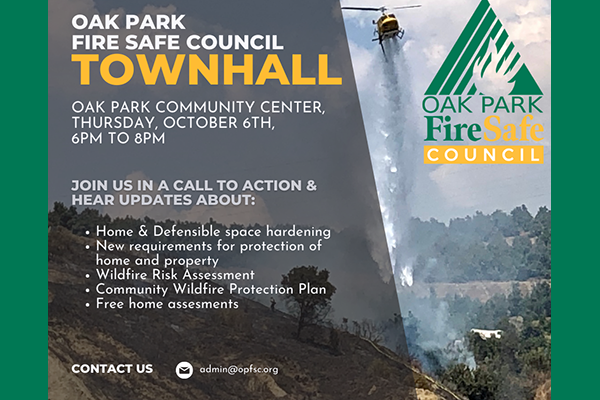
Grants for hardening your home.
This is the one that hits closest to home for us. The California Safe Homes Act (AB 888) created a new state grant program to help lower- and middle-income homeowners pay for wildfire-resistant upgrades — fire-rated roofing, clearing combustibles from “Zone Zero” (the first five feet around your house). The logic: harder-to-ignite homes are cheaper to insure, so helping people afford the upgrades should eventually mean better premiums or coverage.
Pairing with that, AB 1 (the Insurance and Wildfire Safety Act) requires the state to keep updating wildfire-safety rules and push insurers to actually offer discounts for mitigation work. In other words, lawmakers are trying to make sure that if you put in the work to fireproof your home, it shows up on your bill.
California Wildfire Mitigation Program (CWMP).
As part of the State of California’s effort to strengthen community-wide resilience against wildfires, the California Governor’s Office of Emergency Services (Cal OES) has partnered with the California Department of Forestry and Fire Protection (CAL FIRE) to develop a state home hardening initiative to retrofit, harden, and create defensible space for homes at high risk to wildfires, focusing on high socially-vulnerable communities and providing financial assistance for low- and moderate-income households.
Known as the California Wildfire Mitigation Program (CWMP), this effort encourages cost-effective wildfire resilience measures to create fire-resistant homes, businesses, public buildings and public spaces.
A California-specific wildfire risk model.
SB 429 funds the country’s first public wildfire catastrophe model, modeled on the kind of hurricane risk model Florida has used for years. If it works, it could eventually make coverage more available in fire-prone neighborhoods that insurers currently treat as too risky — and give homeowners clearer information about their own exposure.
Smoke damage finally gets a real standard.
Your house doesn’t have to burn down to be ruined. Smoke, soot, and ash damage has been a huge source of insurance disputes for years. AB 1795 would create the nation’s first statewide, health-based standard for smoke damage claims — meaning insurers would have to restore a home to a standard that’s actually safe to live in, not just wipe it down and call it clean. Still a bill, not law yet, but a big deal if it passes.
Bottom line:
None of this is a silver bullet, and officials have said as much themselves — these are incremental steps, not a fix for the underlying crisis. Premiums in high-risk areas are still climbing. But between the FAIR Plan overhaul, faster payouts, hardening grants, the new risk model, and the smoke damage standard, there’s real momentum toward a system that treats wildfire survivors better and rewards homeowners who invest in protecting their homes.
We’ll keep tracking these as they move through Sacramento and let you know what actually lands.