Home Hardening Benefits are driving a whole new wave of Home Wildfire Protection Products.
As wildfire seasons grow longer and more intense, so has the market for products designed to help homes survive them. What used to be a fairly narrow category—defensible space and maybe a fire-resistant roof—has expanded into a genuine industry, with new materials, smart systems, and retrofit-friendly hardware hitting the market. Here’s a look at what’s now available for homeowners looking to harden their properties.
Embers, not flames, are the real enemy.
Fire agencies have said this for years: it’s rarely a wall of flame that destroys a home. It’s embers—tiny, wind-driven, and capable of traveling miles ahead of a fire. They find their way in through attic vents, soffits, foundation vents, and roofline gaps, then smolder inside insulation or framing until the house is burning from the inside out.
That’s why ember-resistant vents have become one of the most talked-about upgrades. Brands like Vulcan Vents, Brandguard, FireShield, and EmberVent make retrofit vents using fine metal mesh (1/8 inch or smaller), heat-resistant metals, and intumescent coatings that expand and seal shut when they sense radiant heat. Some use baffles or honeycomb patterns to block embers while still allowing normal ventilation.
This is one of the more affordable retrofits you can do. Compared to a new roof, swapping vents is cheap—and it’s specifically called out in CAL FIRE’s low-cost retrofit guidance, right alongside noncombustible gutter covers and metal mesh spark arrestors for chimneys.
Roofing, siding, and deck materials have gotten better too.
Class A fire-rated roofing now includes fiberglass asphalt shingles, metal tile, clay tile, slate, and even recycled rubber—all built to resist ignition from falling embers.
On siding, fiber cement (think James Hardie, Allura, and Nichiha) has become the go-to, mainly because it’s noncombustible with a Class A flame spread rating. It’s also becoming less optional: several fire-prone states are rolling out wildland-urban interface codes that require hardened exterior wall materials in high-risk zones, and fiber cement is one of the easier ways to meet that bar.
For decks and wood-looking gates and fences, companies like Trex, TimberTech, and Millboard are great non-combustible options.
Autonomous Exterior Sprinkler Systems.
Companies like Frontline Wildfire Defense, Wetline Wildfire Defense, and Platypus Sprinkler USA now sell autonomous sprinkler systems built specifically for wildfire, not lawn care.
Frontline’s system tracks fire activity and kicks on once a blaze is roughly seven miles out—well before older systems that only respond once heat or smoke hits the property line. Wetline’s version sprays a biodegradable Class A retardant mixed with water instead of just water, building a wetted perimeter that can stretch dozens of feet from each head. The company says it cools surfaces much faster than water alone, which matters because radiant heat arrives long before the flames do.
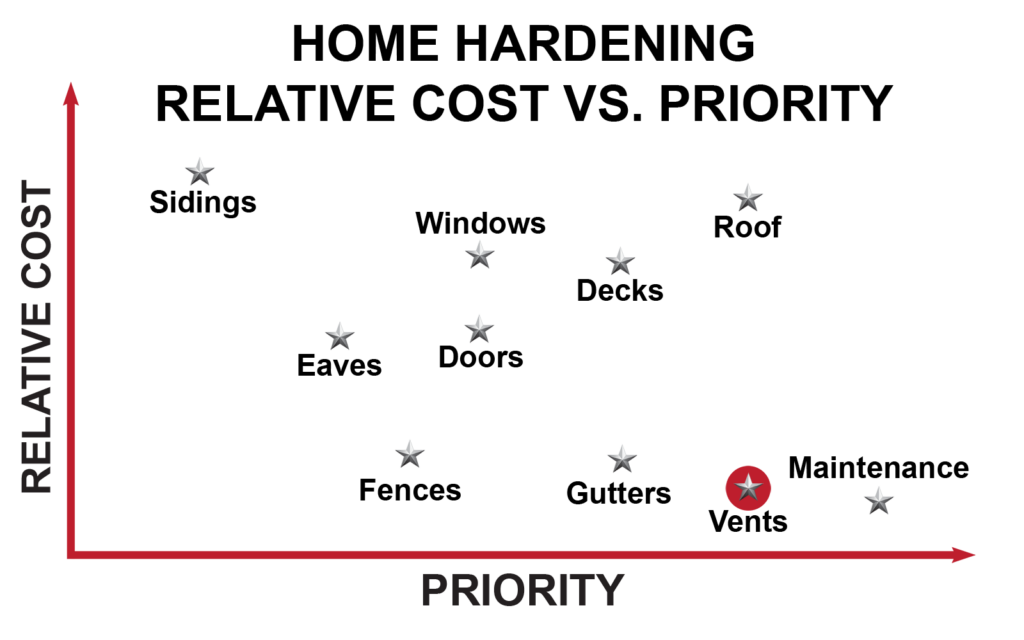
These systems are very expensive and should be considered as another layer of defense after much less expensive home hardening and defensible space mitigation measures have been implemented. (see image below)
Note: Organizations like the National Fire Protection Association (NFPA), the Insurance Institute for Business & Home Safety (IBHS), and CAL FIRE do not, at this time, specifically endorse autonomous exterior sprinkler systems.
Fire-Retardant Gels and Sprays.
Fire gel isn’t new, but it’s getting more attention and more competition. Barricade Fire Gel—a superabsorbent polymer you can apply with a garden hose to roofs, decks, and vegetation—is still popular for being simple and cheap. Apply it hours before a fire arrives, and it holds up a day or more with occasional re-misting.
Newer options are pushing further. Wildfire Guardian, from Canadian company Altek Advanced Materials, can be sprayed on an entire structure up to 24 hours ahead of a fire, with the company claiming around 90% protection, biodegradability, and ease of rinsing off after.
There’s also a growing category of proactive pre-treatment coatings—Komodo Fire Systems and Citrotech among them—meant to be applied regularly and reapplied during red-flag warnings.
Note: Organizations like the National Fire Protection Association (NFPA), the Insurance Institute for Business & Home Safety (IBHS), and CAL FIRE do not, at this time, specifically endorse prevention sprays and gels; however, Komodo is on CAL FIRE’s Qualified Products List (QPL).
Don’t forget windows, insulation, and landscaping.
Home hardening isn’t just vents and roofs. Ember-resistant window upgrades—double-pane, tempered glass, mesh screening—help keep windows from shattering under radiant heat, which is another common way embers get inside the home. Fire-resistant insulation (mineral wool, fiberglass, glass wool with flame retardants) helps limit damage if embers do get past your first line of defense.
The vegetation around the home is the fuel that determines the fire’s path to the home. Landscaping the vegetation plays a big part in wildfire mitigation. Fire-resistant plants, ignition-resistant mulch, and hardscaping like gravel or stone borders are defensible-space products built to create a buffer, especially in that critical first five feet around your home (“Zone Zero”).
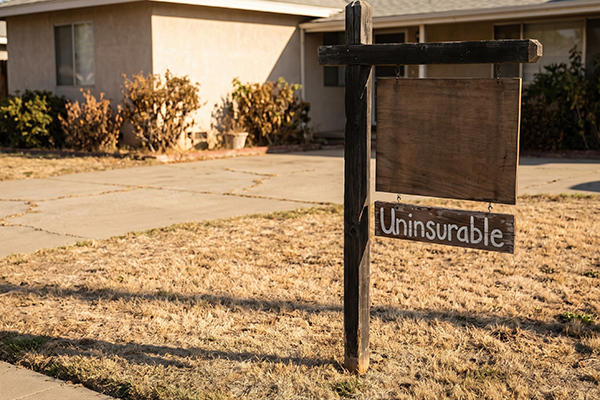
Yes, this can help with your insurance bill.
A lot of these upgrades aren’t just about survival—they can save you money. Some insurers now offer 5–15% premium discounts for documented mitigation work, and California has new state grant programs specifically to help homeowners cover pricier upgrades like fire-rated roofing and Zone Zero landscaping.
And it is not just about lowering your insurance bill; it’s about insurability.
Hardening your home is turning into a financial decision as much as a safety one.
Sellers are now required to list what home hardening mitigation has been done to the house.
Regulations now require sellers of homes in California’s high and very high fire hazard zones to disclose information about fire hardening and defensible space, including a list of affordable upgrades that have been completed. This disclosure, along with the Natural Hazard Disclosure, helps buyers understand the wildfire risk and potential mitigation measures.
The California Association of Realtors revised its Fire Hardening and Defensible Space Disclosure and Addendum, whereby the Seller must disclose if 12 specific home hardening conditions have been satisfied.
The yes-or-no answers to the home hardening mitigation questions on listing agreements can make a huge difference to the listing. Getting the work done now, before you sell, will not only help you get your asking price, but also help sell the home faster.
Bottom line:
This market has grown up fast. What used to mean clearing brush and hoping for the best now includes ember-blocking vents, self-activating sprinklers, pre-treatment gels, and building materials engineered specifically for wildfire exposure. None of it makes a home fireproof—and experts still say layering several of these measures together beats relying on any single one. But there are more serious, tested options available to homeowners today than there were even a few years ago.