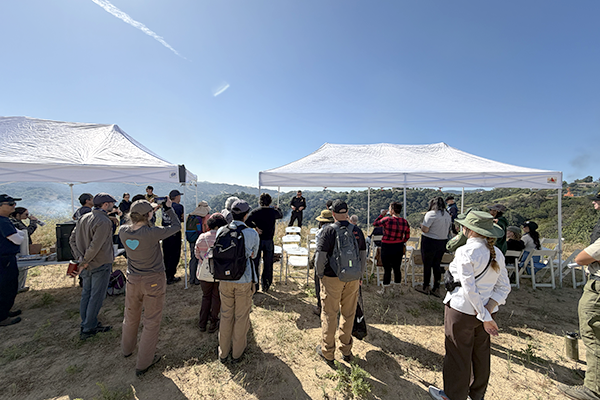
Assistant Chief Drew Smith, LA County Fire Dept., and Assistant Chief Brad Weisshaupt, Forestry, LA County Fire Dept., explained the process of Prescribed Burns.
Definition: A Prescribed Burn is a low intensity planned fire conducted by trained and experienced crews and land managers completed within a specific weather and fuel condition window or “prescription” to achieve land management goals, such as clearing hazardous fuel, improving wildlife habitat, and/or restoring ecosystems.
Prescribed fire or the use of fire as a tool to achieve desired environmental conditions has been used by Native American Tribes for Millennia.
Prescribed Pile Burn in Santa Monica Mountains
Like most people, I have legitimate concerns about prescribed burns. On Monday, April 13th, I was fortunate to attend an event that the LA County Fire Department (LACoFD) has not conducted in 25 years. The pile burns took place on Mountains Recreation and Conservation Authority (MRCA) land to reduce dead fuels within a native vegetation landscape. This prescribed pile burn in the Santa Monica Mountains was a collaborative effort between the two agencies. Live fire has not been used in this area for decades.
LACoFD has many tools available to reduce fuels, and prescribed pile burns are one of them. The department has been advocating for their use because, under the right conditions, pile burns are the right tool for areas where broadcast burning, or mechanical modification, is not effective.
Pile burns fall under the general category of prescribed burns, sometimes called Rx burns. They are conducted only under optimal weather and vegetation conditions and must comply with local regulations and policies. These operations require qualified personnel, constant supervision, an Air Quality Management District (AQMD) burn permit, and strict safety measures.
Burn piles are strategically placed, often along ridge lines, with size and spacing calculated to optimize burn time while minimizing disturbance to surrounding vegetation. Firefighters staff the operation with significant resources, including apparatus and hose lines. Without proper precautions, fire could escape beyond the prescribed boundary, which is why planning and execution are critical.
Why do Pile Burns?
Pile burns are used when there is a buildup of dangerous, dry, dead fuels in areas that cannot be accessed by mechanical equipment. Removing this material reduces heavy fuel loading within the vegetative fuel bed. These burns also help create strategic fuel breaks, improving conditions for firefighter response during wildfires.
The Four Stages of Pile Burning:
Evaluation
Fire personnel evaluate fuel buildup, including questions such as: When was the last fire in the area? What is the potential flame height and rate of spread?
Topanga has not experienced fire in many years, leading to significant fuel accumulation. This imbalance raised concern for both MRCA and LACoFD. Strategic planning is then used to determine the appropriate type and scope of fuel treatment.
Thinning
Firefighters remove dead and over-mature vegetation by hand, ensuring only necessary material is taken. The vegetation is moved to ridge lines and formed into piles. Cutting is done above the surface to preserve root systems.
Crews conduct post-burn monitoring immediately after the operation, as well as at 6-month and 12-month intervals, to assess regeneration and fire effects.
This process does not eradicate vegetation; it modifies and maintains it to reduce wildfire risk.
Cultural monitors were present during the thinning phase. Indigenous communities have long used cultural burning to manage landscapes, promote biodiversity, and reduce wildfire risk. These practices are grounded in traditional ecological knowledge and help restore ecosystems, enhance wildlife habitat, and support cultural resources.
Pile burns are typically conducted in spring and fall when conditions are cooler and more humid.
Burning
Test burns are conducted to evaluate wind and smoke dispersal. Every aspect, from vegetation management to burn execution, is guided by established scientific methods and best practices.
Approximately 180–200 piles were burned along both sides of Topanga Canyon. The material was ignited only when environmental conditions were balanced, specifically, when fuel moisture and atmospheric conditions would produce the desired fire intensity.
Engine companies closely monitored and managed each burn pile.
Monitoring
During the burn, crews continuously monitor weather conditions, smoke trajectories, and surrounding fuels. Ideal conditions include temperatures below 80°F, relative humidity above 30% during the day, and 60–80% at night to obtain a moisture of extinction in surrounding vegetation.
Wind and smoke dispersion are also closely tracked. LACoFD evaluates what is known as “escape fire potential,” which is taken very seriously.
After ignition, resources remain on site throughout the day and transition to patrol status as conditions stabilize. Drones equipped with high-resolution infrared technology are used to detect residual heat both during the day and at night. Crews remain until no heat signatures are detected.
Conclusions
I was very impressed with the professionalism and thoroughness of LACoFD’s approach to these pile burns. From evaluation and thinning to burning and monitoring, the entire process instilled a strong sense of trust and addressed many of my initial concerns.
CLICK HERE to view more information on Wildland Fuels Management Methods of Prescribed Burns.
Provided by LA County Fire Department.
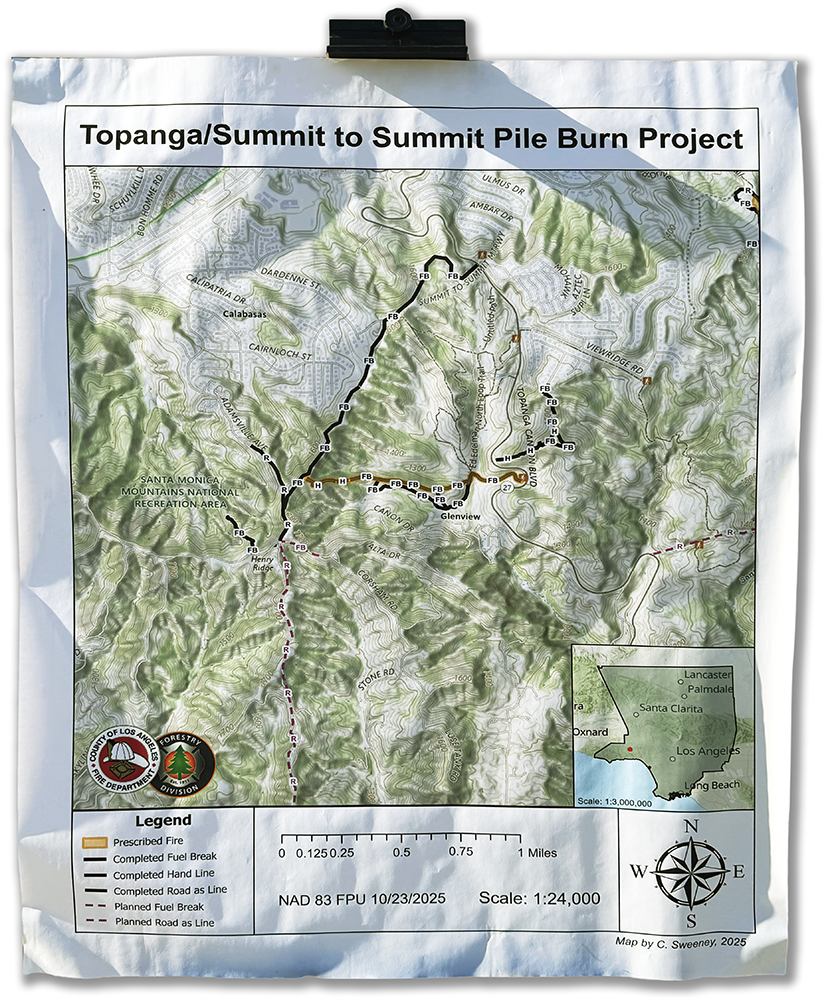
Pile burn project map
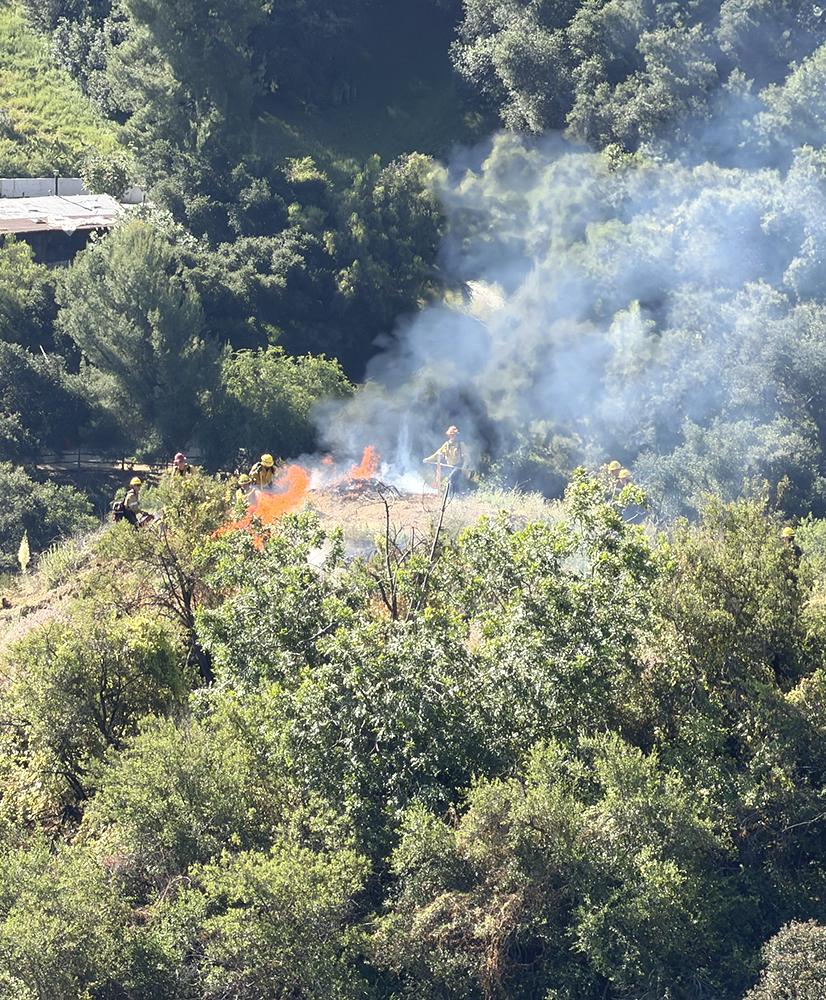
Close to 200 firefighters managed the burns
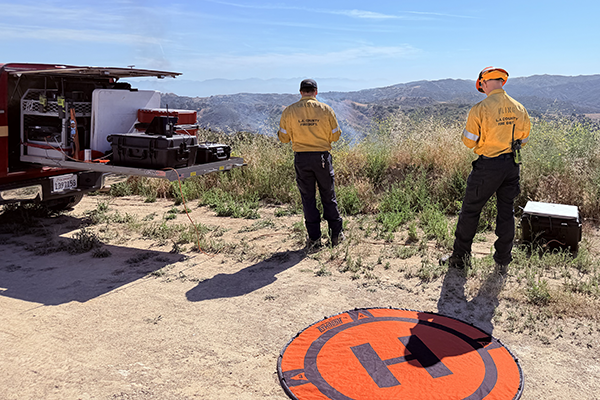
Drone Pilot’s constant monitoring of the burn
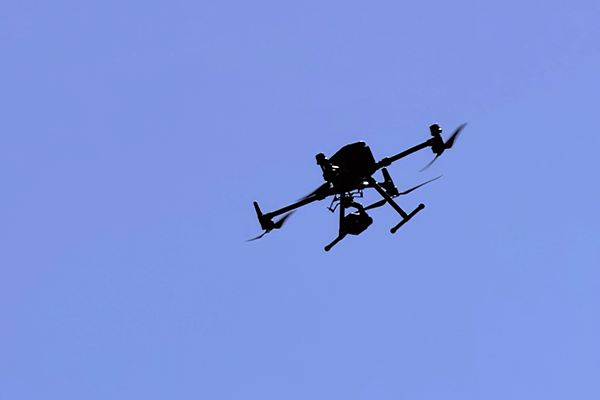
Heat cameras on the drones can detect hot areas
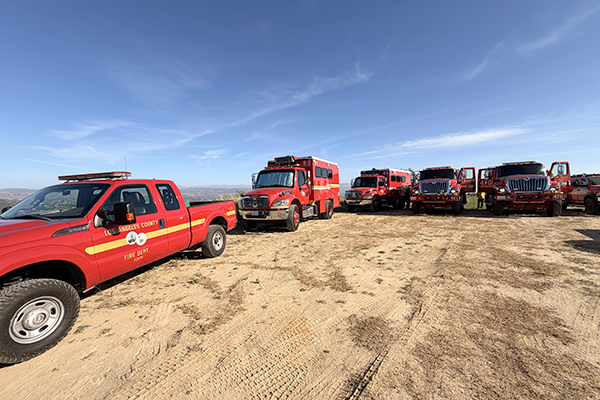
LA County Fire Department crews
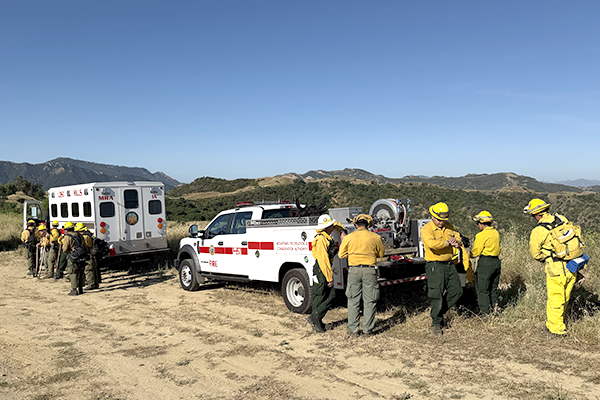
CAL FIRE crews
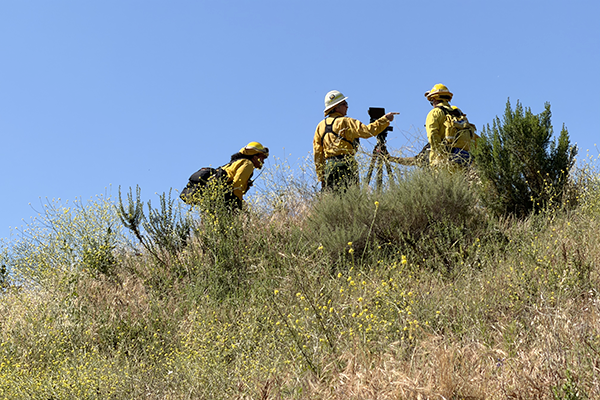
Lidar heat map cameras surveying the burn
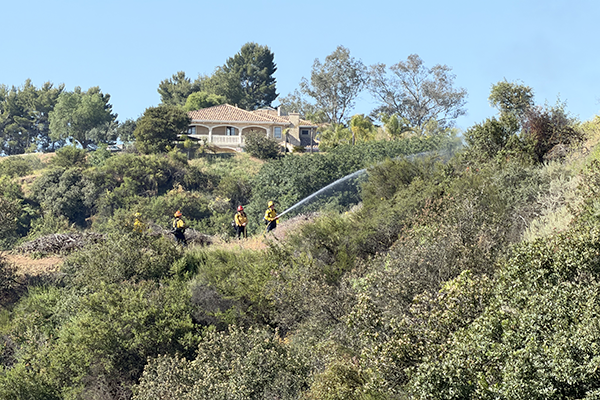
Test burns are done before the burns
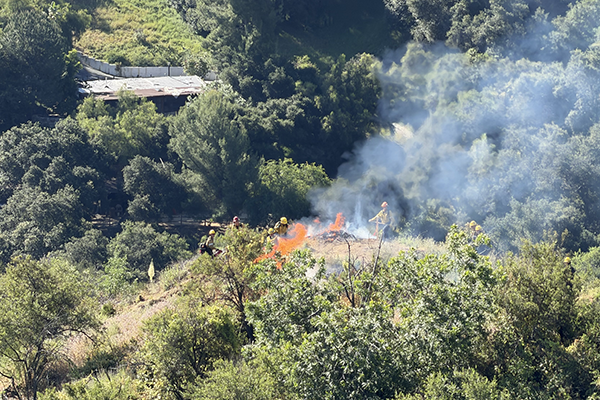
Dead vegetation, accessible only by foot, is taken to the ridge line and burned
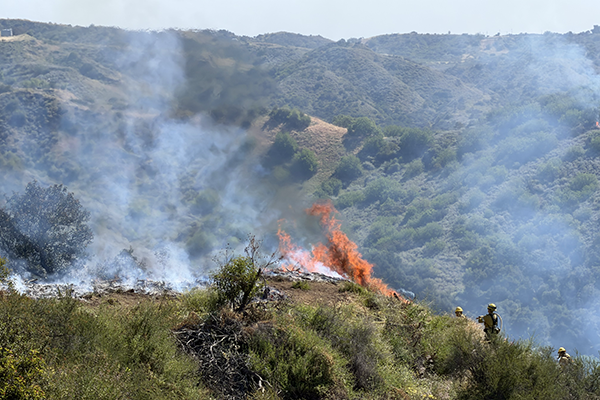
10-foot cleared radius is established around each pile
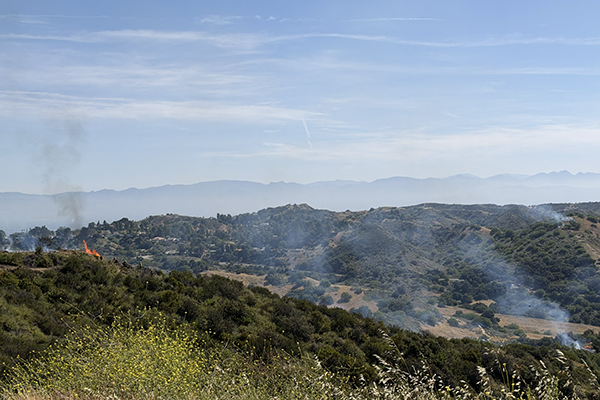
180-200 piles burned on both sides of Topanga Canyon
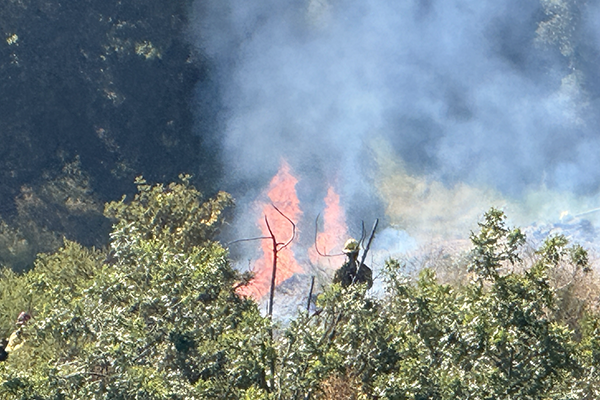
Escape fire potential is taken very seriously with constant monitoring